Wakatobi Yacht Charter vs. Raja Ampat: A Diver’s Guide to Indonesia’s Apex Reefs
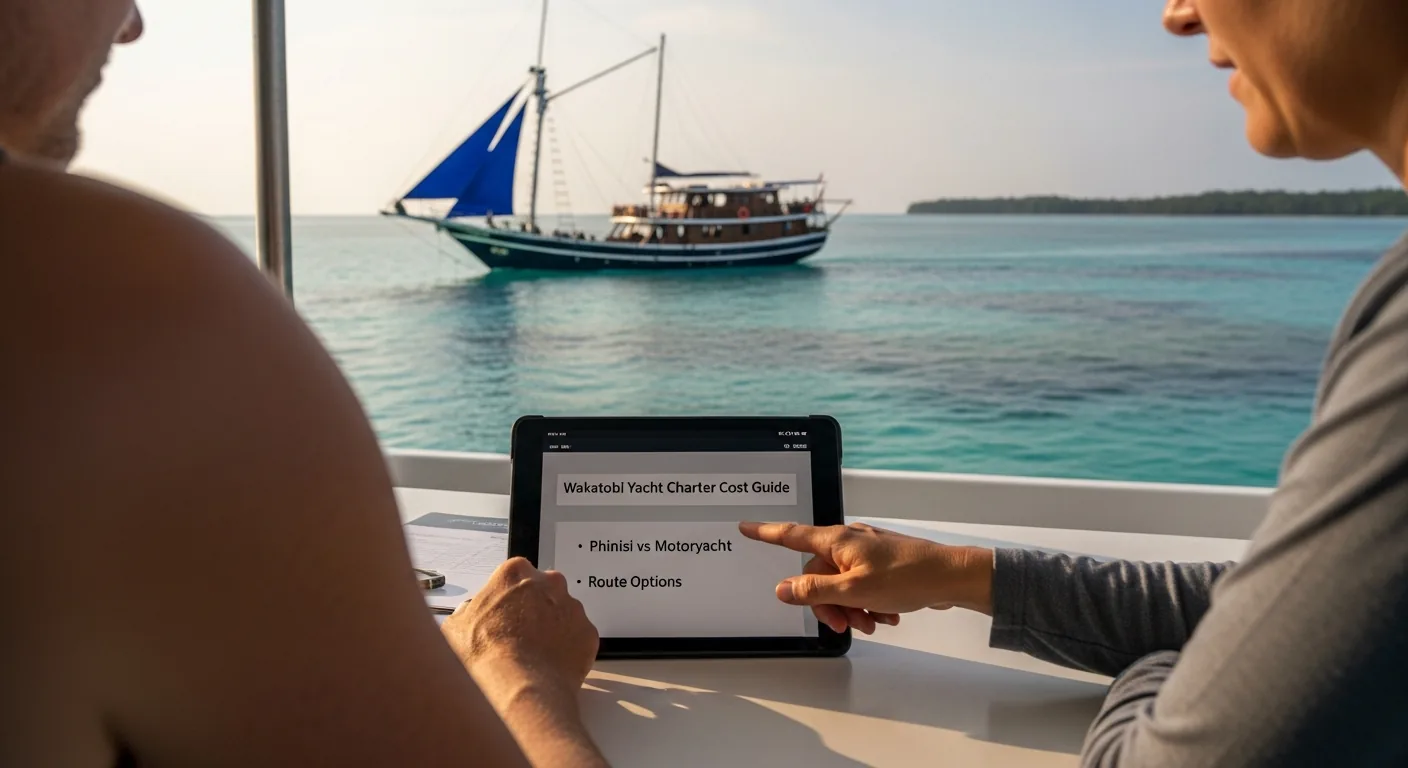
The pre-dawn air over the Banda Sea is still, holding the scent of salt and clove. From the deck of a hand-built phinisi, the only sounds are the rhythmic lapping of water against the ironwood hull and the low hum of the generator. Below, a world of unparalleled biological density is awakening. For the discerning diver, this is the sanctum. But a critical decision precedes this moment: where, precisely, in the 1.65 million square kilometers of the Coral Triangle should this vessel point its bow? The choice often distills to two names, spoken with a certain reverence in diving circles: Raja Ampat and Wakatobi. See also: book Home.
This is not a question of which is superior, but which is correct for your specific objectives. Both are archipelagos of profound marine wealth, yet they offer distinct experiences, challenges, and rewards. For the advanced diver, the underwater photographer, or the expedition leader planning a private charter, the differences are material. This analysis moves beyond brochure superlatives to examine the critical data points: marine topography, logistical access, seasonal viability, and the granular details of cost. It is a strategic brief for selecting your next Indonesian dive expedition, with a focus on the focused, exclusive nature of a Wakatobi phinisi charter. See also: explore Phinisi Fleet Wakatobi.
The Diver’s Dilemma: Choosing Between Two Coral Triangle Icons
The decision between a Wakatobi liveaboard and a Raja Ampat expedition is a complex calculus of priorities. Raja Ampat, off the coast of West Papua, is famed for its sheer volume and spectacle—vast schools of fish, dramatic karst topography, and a well-established liveaboard circuit. It is the titan of wide-angle photography. Wakatobi, an acronym for the islands of Wangi-Wangi, Kaledupa, Tomia, and Binongko in Southeast Sulawesi, presents a different proposition. It is a UNESCO Biosphere Reserve, known for its exceptionally resilient and pristine reef structures, staggering macro-invertebrate life, and a sense of remoteness that the more frequented routes of Raja Ampat can no longer consistently offer. See also: book Contact.
The distinction is one of scale and focus. Raja Ampat overwhelms with biomass; it is a spectacle of aggregation. Wakatobi requires a more discerning eye: its value lies in the health of its hard-coral gardens — among the most robust on the planet — and the sheer diversity of small, rare critters. For a photographer specialising in macro or a diver interested in reef ecology, a private Sulawesi yacht charter into the heart of Wakatobi offers a more concentrated, less-trafficked field of study. The choice, therefore, hinges on your definition of discovery: the grand spectacle or the intricate, rare find. See also: Wakatobi Yacht Charter Sulawesi About.
Marine Topography and Biodiversity: A Tale of Two Ecosystems
While both locations are epicenters of the Coral Triangle, their underwater landscapes are sculpted by different geological and oceanographic forces, resulting in distinct dive profiles. Raja Ampat’s signature is its dramatic underwater terrain. Sites like Misool’s ‘Magic Mountain’ are seamounts that attract oceanic mantas and vast schools of pelagics. The Dampier Strait offers high-voltage drift dives, carrying divers past more than 1,700 recorded fish species and over 600 species of hard coral—roughly 75% of the world’s known total. The experience is one of dynamic, large-scale encounters.
A Wakatobi yacht charter, by contrast, provides access to what many reef scientists consider the gold standard of coral resilience. The Wakatobi National Park, covering 1.39 million hectares, is characterized by extensive, healthy fringing reefs, dramatic walls, and atolls. Dive sites along the Tomia and Hoga routes, such as the famous ‘Zoo’ or ‘Cornucopia’, are not defined by seamounts but by sheer coral density. Here, the focus shifts from pelagic fly-bys to meticulous exploration of reef structures that support over 942 fish species and 750 coral species. The diving is often less current-driven, allowing for longer, more detailed examinations of the reef. This is the premier global destination for observing symbiotic relationships, hunting for pygmy seahorses, and documenting the hundreds of nudibranch species that populate these structures. The lack of significant river runoff from the Sulawesi mainland contributes to the region’s consistently clear water, with visibility often exceeding 40 meters.
Key Biodiversity Distinctions:
- Raja Ampat: High-density pelagic life, oceanic and reef manta ray cleaning stations, large fish aggregations (barracuda, trevally), and the iconic wobbegong shark. Ideal for wide-angle photography.
- Wakatobi: Unmatched hard and soft coral health, exceptional macro-invertebrate diversity, rare critter populations (ghost pipefish, frogfish), and significant cetacean sightings, including pilot whales and, occasionally, sperm whales in the deeper channels. The pinnacle for macro and reefscape photography.
- Conservation Status: Raja Ampat’s marine protected areas (MPAs) are managed by local communities and NGOs. Wakatobi has been a designated National Park since 1996 and a UNESCO Biosphere Reserve since 2012, indicating a long history of structured conservation efforts.
The Expedition Experience: Phinisi Life and Itineraries
The vessel itself is a critical component of the expedition. A traditional Indonesian phinisi, a vessel type recognized by UNESCO in 2017 as an Intangible Cultural Heritage, offers an authentic and capable platform for exploring these remote archipelagos. However, the nature of the charter differs significantly between the two regions. In Raja Ampat, a fleet of over 100 liveaboards operates on largely standardized 7 to 11-night routes, typically covering either the northern (Dampier Strait) or southern (Misool) regions. While efficient, this can lead to crowded dive sites, especially during the peak season from October to April.
A private Wakatobi phinisi charter offers a fundamentally different experience. With far fewer vessels operating in the region, a true sense of exploration is possible. Our itineraries are not fixed; they are bespoke journeys designed around guest interests, tidal patterns, and real-time reports of marine activity. A typical 8-night expedition might focus entirely on the outer arc of the archipelago—the deep-water walls of Tomia, the macro-rich slopes of Hoga, and the culturally significant, rarely-dived sites off Binongko. This is the core advantage of a dedicated Sulawesi yacht charter: it provides unparalleled access and flexibility in a region that rewards slow, methodical exploration. The on-board experience is tailored, moving from a shared, scheduled environment to a private, client-directed expedition.
Logistical Realities: Access, Seasons, and On-the-Ground Intel
Reaching these remote corners of the world requires careful planning. The logistical pathways are distinct and influence the overall time and budget commitment for an expedition.
Accessing Raja Ampat: The gateway is Sorong (SOQ) in West Papua. International travelers typically fly into Jakarta (CGK) or Bali (DPS), connecting to a domestic flight to Sorong, often overnight, with carriers like Garuda Indonesia or Batik Air. From Sorong, it is a short transfer to the harbor where most liveaboards embark. The primary diving season runs from October to April, avoiding the monsoon winds and rains that affect the region from June to September.
Accessing Wakatobi: The entry point is Matahora Airport (WNI) on Wangi-Wangi island. The most efficient route is via Jakarta (CGK) or Bali (DPS) to Makassar (UPG) in South Sulawesi, followed by a connecting flight to WNI. While this requires an additional connection, it places you directly within the archipelago, minimizing transfer times to your waiting Wakatobi liveaboard. Wakatobi features a longer and more flexible diving season. The prime window is from March to December, with the calmest seas generally found from April to May and October to November. The region is more sheltered than Raja Ampat, making it a viable option when other parts of Indonesia are in their off-season.
Comparative Logistics Table:
| Factor | Raja Ampat | Wakatobi |
|---|---|---|
| Gateway Airport | Domine Eduard Osok Airport, Sorong (SOQ) | Matahora Airport, Wangi-Wangi (WNI) |
| Typical Domestic Route | Jakarta (CGK) -> Sorong (SOQ) – approx. 4 hours | Jakarta (CGK) -> Makassar (UPG) -> Wangi-Wangi (WNI) |
| Peak Diving Season | October – April | March – December (peak visibility Oct/Nov) |
| Water Temperature | 28-30°C (82-86°F) | 26-29°C (79-84°F) |
| Marine Park Fee (approx.) | IDR 1,000,000 (approx. $65 USD) per person | IDR 150,000 (approx. $10 USD) per person |
Cost Analysis: Deconstructing a Private Charter Budget
A private charter is an investment in exclusivity, flexibility, and access. While per-person costs can be comparable to high-end individual liveaboard berths, the value proposition is entirely different. The budget for a Coral Triangle charter is composed of the vessel fee, park and port fees, fuel, provisions, and domestic travel.
A high-specification phinisi, accommodating 8-12 guests, typically commands a charter fee between $4,500 and $8,000 USD per night. In Raja Ampat, longer steaming distances between the northern and southern regions can result in higher fuel surcharges, sometimes adding 5-10% to the base cost. The well-developed infrastructure also supports a wider range of vessel prices, but the most sought-after private charters are priced at a premium.
A Wakatobi yacht charter often presents a more contained cost structure. The geography of the archipelago means that transit times between premier dive sites like the Karang Kaledupa atoll and the walls of Tomia are shorter, leading to more predictable fuel consumption. The lower national park fees also contribute to a more favorable overall budget. The critical factor is that the investment in a Wakatobi charter buys a level of exclusivity that is increasingly difficult to secure in Raja Ampat, regardless of price. For a group of dedicated photographers or a multi-generational family seeking a private marine wilderness, this exclusivity is the primary asset.
The Verdict: Selecting Your Sulawesi Yacht Charter
The choice is not a binary one of good versus better. It is an informed decision based on specific diving and travel preferences.
Choose Raja Ampat if:
- Your primary objective is encountering large pelagic species and massive schools of fish.
- You are a wide-angle photographer captivated by dramatic underwater seascapes.
- You prefer a well-established route and are comfortable sharing dive sites with other groups.
Choose a Wakatobi Yacht Charter Sulawesi expedition if:
- Your passion is reef health, coral diversity, and the intricate world of macro marine life.
- You are a photographer who values exceptional water clarity and pristine, detailed subjects.
- You prioritize exclusivity, privacy, and a genuine sense of remote exploration.
- You require a flexible itinerary that can be adapted to specific interests, from technical diving to scientific observation.
For the experienced diver who has seen the world’s great reefs, Wakatobi offers a new frontier. It is a quieter, more intense experience—a deep dive into the biological engine room of the Coral Triangle. A private wakatobi phinisi expedition is the most effective, and indeed the only, way to fully access the heart of this remarkable UNESCO Biosphere Reserve.
Plan Your Expedition
The intricacies of planning a charter in this region require specialist knowledge. Our team possesses years of on-the-ground experience in Sulawesi, from navigating inter-island logistics to curating dive programs for the most demanding clients. To discuss the specifics of a private Wakatobi yacht charter and review our portfolio of phinisi vessels, we invite you to contact our expedition planners.
Wakatobi Yacht Charter Sulawesi
- Phone: +62 811 3941 4563
- Email: [email protected]
- Office: Jalan Sunset Road No. 88, Kuta, Badung, Bali 80361, Indonesia