Wakatobi Yacht Charter: Expedition Diving the Walls of Tomia, Hoga, and Binongko
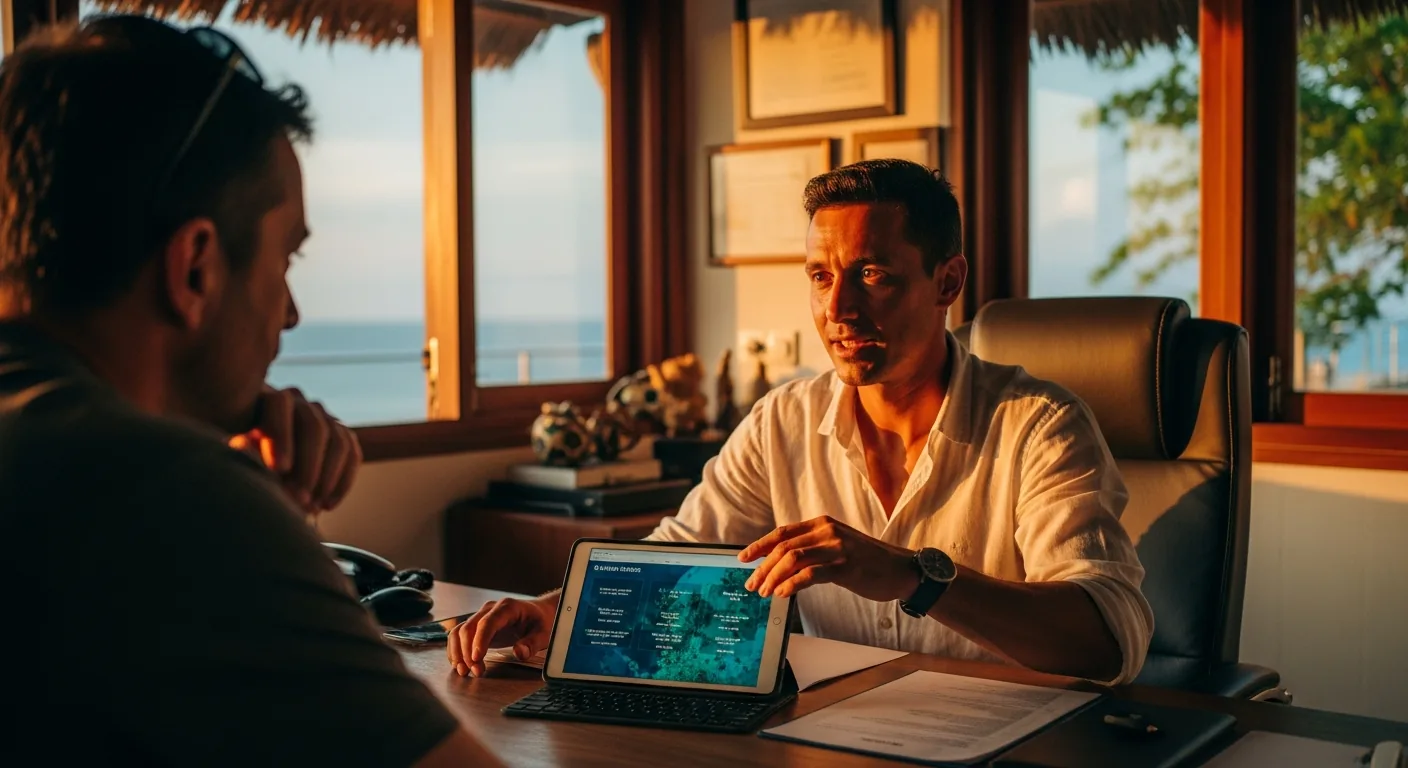
The descent begins in silence, broken only by the rhythmic release of air. Below, the reef shelf gives way to an abyss of impossible blue. This is the defining moment of diving in the Wakatobi archipelago—the instant you drift over the edge of a vertical wall, a living tapestry dropping hundreds of meters into the Banda Sea. A school of yellow-masked angelfish, hundreds strong, moves as one. A green sea turtle, ancient and unbothered, glides past on a mild current. The water clarity, often exceeding 40 meters, reveals a topographical scale that recalibrates one’s perspective on marine environments. This is not merely a dive; it is an immersion into the biological epicenter of the planet, an experience accessible only through a meticulously planned expedition. A private wakatobi yacht charter is the definitive platform for such an exploration, providing direct access to the most remote and profound dive sites within the Coral Triangle.
This is a region where the density of life can feel overwhelming. The itineraries we design are not for the casual tourist; they are for the dedicated diver and the serious underwater photographer who understands that the quality of an expedition is measured in nautical miles from the nearest shore-based operation. Our focus is on the southern axis of the Wakatobi National Park: the celebrated walls of Tomia, the vibrant reefs of Hoga, and the frontier drop-offs of Binongko. Aboard a traditional Indonesian phinisi, you are not just visiting a destination; you are gaining privileged entry to one of the last truly pristine marine ecosystems on Earth. See also: Contact.
The Wakatobi Archipelago: A Diver’s Cartography
Positioned in Southeast Sulawesi, the Wakatobi National Park is a marine protected area of immense significance. Established in 1996 and covering 1.39 million hectares, its name is an acronym of the four main islands: Wangi-Wangi, Kaledupa, Tomia, and Binongko. This location is not coincidental; it sits at the heart of the Coral Triangle, the most biodiverse marine region globally. Scientific surveys have identified over 750 distinct species of coral here—nearly 90% of the world’s total—and a staggering 942 species of fish. This biological richness makes a Sulawesi yacht charter the most effective method to comprehend its scale.
While many operations concentrate on the areas closest to the main island of Wangi-Wangi, our expeditions chart a course for the less-trafficked southern islands. Tomia is renowned for its collection of dramatic, fish-laden walls and seamounts. Hoga, near Kaledupa, offers intricate reef systems perfect for macro photography. Binongko, the most remote of the four, presents a frontier of exploration with sheer walls and the potential for encounters with larger pelagic species. The value of a private wakatobi phinisi is its ability to follow the best conditions and access these sites at optimal times, far from any other vessel. Your expedition is governed by tide, light, and marine life activity, not by a fixed resort schedule.
Your Private Phinisi: The Vessel for Wakatobi Exploration
The vessel for this exploration is as significant as the destination itself. Our fleet consists of authentic phinisi yachts, traditional two-masted sailing ships handcrafted by the Konjo boat builders of South Sulawesi from ironwood and teak. These are not simply dive boats; they are floating private villas, designed for comfort, safety, and function in remote archipelagos. Each vessel features a limited number of air-conditioned cabins with en-suite bathrooms, ensuring privacy and rest between dives. The crew-to-guest ratio is typically close to 1:1, providing a level of personalized service that is simply unattainable on larger, more commercial liveaboards. See also: learn about Wakatobi Marine Life.
A common question we receive is, what is a phinisi? It is a vessel recognized by UNESCO as a masterpiece of intangible cultural heritage. The design has been refined over centuries for navigating Indonesian waters. Our modern interpretations combine this heritage with contemporary necessities: a spacious dive deck, state-of-the-art navigation and safety equipment, and, critically for our clients, a dedicated camera room. This climate-controlled space features multiple charging stations (both 220V and 110V), ample setup area, and separate rinse tanks for camera equipment, ensuring photographers have the professional facilities they require. This is a core component of a premium coral triangle charter experience.
The Diving Itinerary: A Curated Passage Through Tomia and Hoga
A typical 8-day/7-night expedition is structured to maximize dive quality and diversity. The journey begins upon your arrival at Matahora Airport (WNI) on Wangi-Wangi, where our team meets you for a seamless transfer to the yacht. After a vessel orientation and safety briefing, a late afternoon check-out dive allows for equipment adjustments and acclimatization. From there, we navigate south under the stars. See also: this vs raja ampat.
Days 2 and 3 are often centered around Hoga Island. Sites like ‘Pinnacle’ rise from the seafloor, acting as a magnet for schooling barracuda and snappers. The coral gardens here are a haven for macro subjects; our guides, with over 10 years of experience in these specific waters, are experts at locating pygmy seahorses, ornate ghost pipefish, and a variety of rare nudibranchs. The pace is unhurried, with surface intervals spent relaxing on the sundeck or reviewing images. See also: Wakatobi Yacht Charter Sulawesi Home.
Days 4 through 6 are dedicated to the legendary sites of Tomia. This is where the Wakatobi’s reputation for vertical diving is cemented. ‘Roma’, a spectacular pinnacle, is often so thick with fusiliers and red-toothed triggerfish that it can be difficult to see the reef itself. ‘The Zoo’ is aptly named for its menagerie of critters, from leaf scorpionfish to giant frogfish. The highlight for many is ‘Mari Mabuk’ (which translates to “Let’s Get Drunk”), a site where the sheer density of fish life can be genuinely disorienting. For divers considering this expedition, a key question is often, what is the best time of year to dive in Wakatobi? The optimal seasons are from March to May and again from September to November, when the seas are calmest and visibility is at its peak.
The Binongko Walls: The Frontier of Wakatobi Diving
The final diving days of the expedition are spent exploring the frontier of the national park: the island of Binongko. Known locally as the “island of blacksmiths,” its underwater topography is as formidable as its reputation. The walls here are steeper and deeper, often starting just meters from the shore and plunging vertically for more than 200 meters. Overhangs are decorated with massive gorgonian sea fans and vibrant soft corals. These sites are less documented and offer a genuine sense of discovery. The currents can be more pronounced, attracting larger pelagics like dogtooth tuna, eagle rays, and several species of reef shark. The hard coral formations on Binongko’s walls are exceptionally healthy, a direct result of the limited diving pressure. A wakatobi liveaboard that includes Binongko in its itinerary is a mark of a serious, exploration-focused operator.
For the discerning diver, understanding the nuances between the key areas is crucial. Tomia offers a known quantity of world-renowned sites, while Binongko provides a more exploratory, adventurous character.
Comparison Table: Tomia vs. Binongko Dive Profiles
| Feature | Tomia Island Dive Sites | Binongko Island Dive Sites |
|---|---|---|
| Topography | Pinnacles, seamounts, and well-defined vertical walls with rich coral gardens on the reef top. | Sheer, dramatic walls dropping to extreme depths, large overhangs, and intricate swim-throughs. |
| Key Marine Life | Extremely dense schools of reef fish (fusiliers, anthias, snappers), exceptional macro life, turtles. | Increased potential for pelagics (tuna, eagle rays, sharks), pristine hard coral formations, large sea fans. |
| Diver Level | Advanced Open Water. Suitable for those comfortable with wall diving and moderate currents. | Advanced Open Water with 50+ dives. Experience with deeper profiles and potentially strong currents is recommended. |
| Photographic Focus | Wide-angle scenes of fish density, vibrant reefscapes, and excellent macro opportunities. | Dramatic wide-angle of wall topography, pelagic action, and large-scale coral structures. |
Another practical consideration for divers is the environment. A frequent question is, what are the water temperatures in Wakatobi? Divers can expect comfortable conditions, with water temperatures consistently ranging between 26-30°C (78-86°F), typically requiring a 3mm wetsuit.
Charter Inclusions and Expedition Logistics
A private charter with Wakatobi Yacht Charter Sulawesi is a comprehensive experience. We manage the logistics so you can focus on the diving and the environment. Our expedition pricing is transparent and includes the core elements of your trip.
Standard Inclusions:
- All diving services, including up to 4 guided dives per day, tanks, weights, and weight belts.
- The expertise of a PADI/SSI certified dive guide with extensive local knowledge.
- Full-board accommodation in a private, air-conditioned cabin with en-suite bathroom.
- All meals, snacks, coffee, tea, and soft drinks prepared by our onboard culinary team.
- Round-trip transfers between Matahora Airport (WNI) and the phinisi yacht.
- All Wakatobi National Park entrance fees and port clearances (currently IDR 150,000 per person, per day).
To ensure clarity, certain items are excluded: international and domestic flights, dive equipment rental (a full set is available from USD 35/day), crew gratuities (a discretionary 5-10% of the charter fee is customary), and alcoholic beverages. For certified divers, a common query is, is Nitrox available on the Wakatobi phinisi charter? Yes, Enriched Air Nitrox is available for certified divers at a rate of USD 10 per fill, allowing for extended bottom times and enhanced safety on repetitive dives.
Expedition Pricing and Private Charter Rates
The investment in a private Sulawesi yacht charter reflects the exclusivity, flexibility, and high level of service provided. It allows your group to dictate the pace and focus of the expedition, whether it’s spending an entire day at a single site to capture the perfect light, or moving to a new location based on real-time reports of marine activity.
Private charters for our signature 8-day/7-night Tomia and Binongko expedition start from USD 35,000 for the entire vessel, accommodating up to 10 guests. Rates are subject to seasonality and specific itinerary requests. For smaller groups or different durations, we can provide a tailored proposal. We encourage you to contact our charter specialists for a detailed quote based on your specific requirements. Given the nature of the diving, what is the minimum certification level required? We strongly recommend an Advanced Open Water certification with a minimum of 50 logged dives. Experience in currents and deep diving is essential for full enjoyment and safety on the more advanced sites around Binongko.
The Wakatobi Yacht Charter Sulawesi Standard of Service
Choosing a charter operator is a matter of trust. Our reputation is built on an uncompromising commitment to safety, service, and local expertise. Our dive guides are not seasonal workers; they are career professionals with an average of 10+ years of experience guiding in Wakatobi. Their knowledge of the currents, marine life, and specific topography of each site is unparalleled. Safety is our highest priority. Our vessels are equipped with modern safety equipment, including emergency oxygen, comprehensive first aid kits, satellite phones, and life rafts, and we operate under strict adherence to PADI and Divers Alert Network (DAN) safety protocols.
We also believe in responsible tourism. Our operations support local communities, and we adhere to all regulations set by the Wakatobi National Park, a global model for cooperative marine park management. A key part of our service standard is catering to our primary audience. How do you support underwater photographers? Beyond the dedicated camera room, our dive guides are trained in spotting subjects and understand the patience required for photography. We offer flexible dive profiles and small guide-to-diver ratios (maximum 4:1) to ensure you have the space and time to compose your shots without being rushed by a large group.
Securing Your Wakatobi Phinisi Expedition
The booking process for a private charter is a collaborative and personalized experience. We guide you through each step to ensure your expedition is perfectly tailored to your group’s expectations.
- Initial Inquiry: Contact our team via email at [email protected] or by phone at +62 811 3941 4563. Please provide your preferred travel dates, the number of guests in your party, and any specific interests.
- Consultation & Proposal: One of our charter specialists will respond within 24-48 hours to discuss your vision. We will then craft a detailed itinerary and a transparent, all-inclusive proposal for your review.
- Confirmation & Deposit: To secure your preferred dates and vessel, a 30% deposit is required via international bank transfer. Upon receipt, your booking is confirmed.
- Final Preparations: The final balance is due 90 days prior to the departure date. In the interim, our team is available to assist with domestic flight recommendations to Wangi-Wangi (WNI), equipment rental pre-booking, and any dietary requirement arrangements.
Clients often ask, what is the cancellation policy? Due to the logistical complexities of remote expeditions, deposits are non-refundable. We highly recommend all guests secure comprehensive travel and dive insurance, including cancellation coverage, upon booking. We can provide recommendations for trusted insurance providers.
Beyond Wakatobi: Related Sulawesi Yacht Charters
While Wakatobi represents a pinnacle of biodiversity, the Indonesian archipelago offers a lifetime of diving exploration. As specialists in the region, we also curate expeditions to other premier destinations, each offering a distinct experience.
- Raja Ampat: Located in West Papua, this region is known for its dramatic karst island landscapes above water and the world’s highest concentration of fish and coral species below. It is a primary destination for manta ray encounters.
- Komodo National Park: A UNESCO World Heritage site famous for the Komodo dragon. The diving is characterized by high-voltage currents, pristine reefs, and a unique mix of both macro and wide-angle opportunities.
- Banda Sea: For the truly adventurous, a crossing of the Banda Sea during specific migration seasons (typically March-April and September-November) offers the chance to encounter schooling hammerhead sharks and explore volcanic islands steeped in the history of the spice trade.
Each of these destinations can be explored aboard a private wakatobi phinisi or a similar vessel from our curated fleet, offering a consistent standard of excellence across the archipelago. Discussing these options with our specialists can help build a long-term Indonesian diving plan.